
It’s crucial that your website features great content, and offers a fantastic user experience. But in order for visitors to enjoy both of these things, they need to be willing to give your website a chance. And that’s much more likely to happen if they gain a positive first impression of your site.
The problem? First impressions are built quickly. In fact, it’s estimated that humans form an opinion within the first seven seconds of being introduced to a new person, concept, idea, product, or service. That’s not much time, and it doesn’t provide you with much of an opportunity to win visitors over.
To really connect with visitors immediately, aesthetics are key. Aesthetics play a huge role in first impressions of websites, so it’s important to think carefully about your site’s visual design.
Building mockups
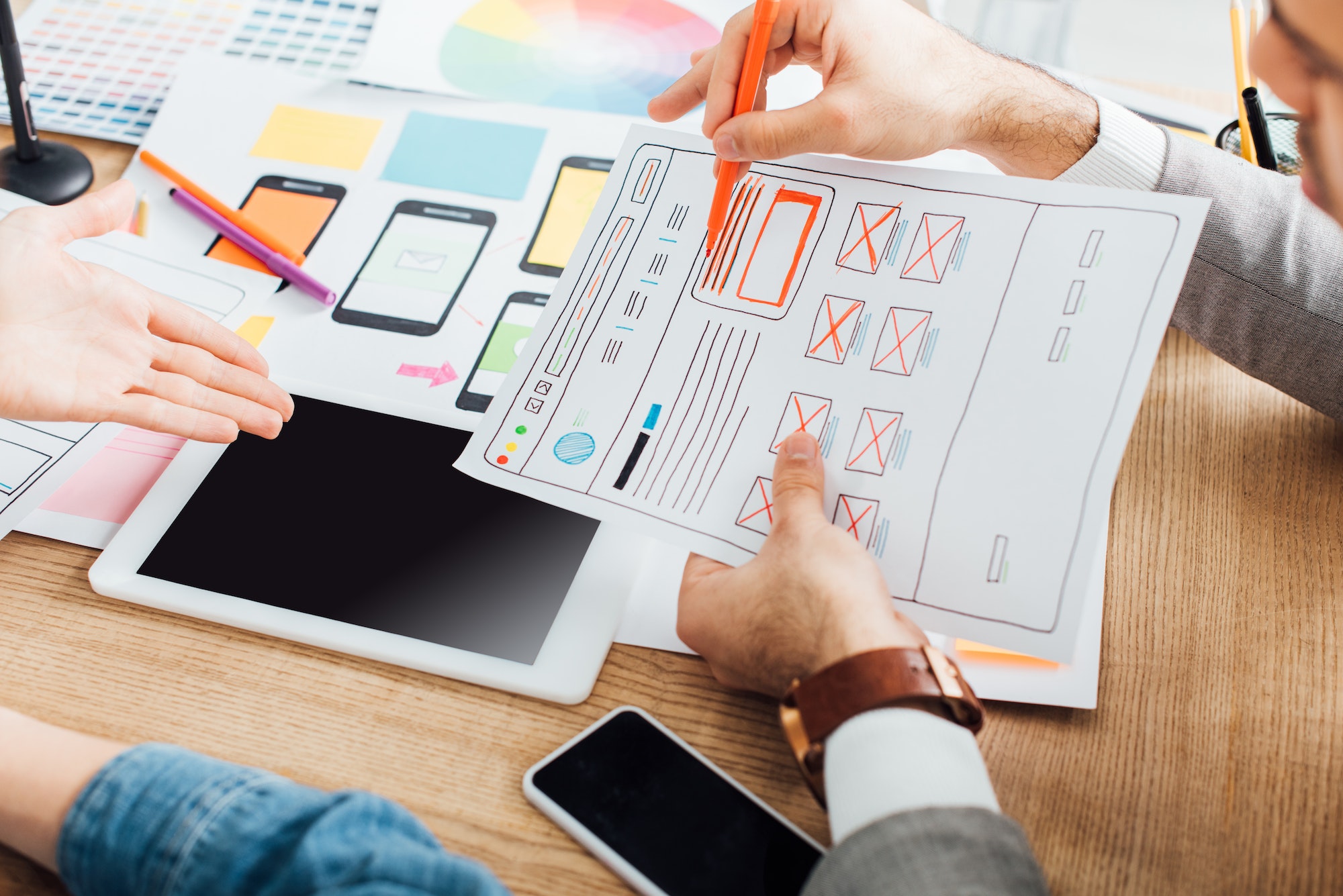
A website mockup is used to bridge your wireframe and your final design. It’s a way of putting all your design elements into place, seeing what works and evaluating what looks good, before developing your site. However, you won’t need to create a visual design for every single page on your website. If you think about it, many pages will have the same goal, so it makes sense that they’d have the same underlying visual design, supporting the unique content that appears on each page.
For example, you may have an ‘about’ page, a ‘history’ page, and a ‘meet the team’ page. The purpose of all three is the same: to educate visitors about who you are, and what you do. Therefore, it makes sense to create a single mockup for these educational pages. The consistency in the design acts as a way of letting visitors know what they can expect from pages with this type of appearance.
As a business owner, you may need to create mockups for:
- Your homepage
- Business pages (e.g. ‘About us’)
- Product pages
- Service pages
- Landing pages
- Blog posts
- Help and resource pages
Choosing the right visual design
While it’s important for your website to appear professional, it’s also important for the visual elements to reflect your brand and support your goal. This means there’s really no ‘right’ or ‘wrong’.
Here are our top 4 tips for selecting the right visual design:
- Always have your goal in mind. Create a design that aligns with your goal, and works alongside your layout, navigation and content, to support and guide visitors towards a specific action.
- Incorporate aspects of your branding into your visual design. Doing this ensures there’s consistency across all of your channels, building familiar experiences for your online audiences.
- Do your research. Click through to websites of other managed service providers, and look at them through the eyes of a customer. What do you like? What do you not like? What could be improved?
- Check out some templates. Web builders like WordPress offer templates that you can use. These can make it easier to finalise your design if you’re struggling to decide on your visual elements.
Creating your visual design plan is the last step in the process before getting started with development and testing. You’re almost at the finish line, and nearly ready to go live!


